
Avro Manchester
Heavy bomber · Avro · United Kingdom
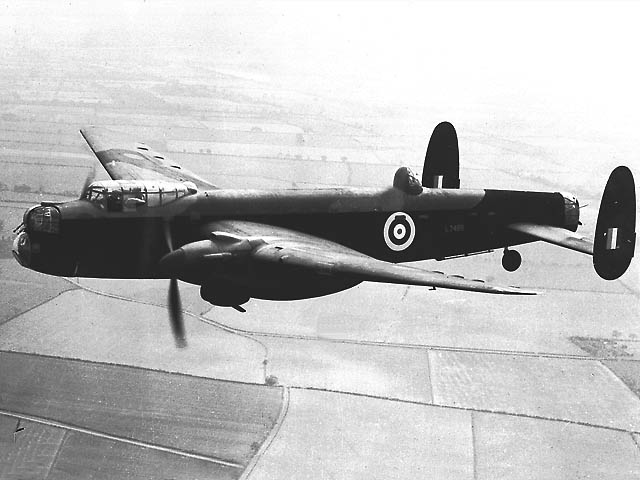
ⓘ licence & credit
(via Wikimedia Commons, Public domain)| Typical crew | 7 |
|---|---|
| Engines | 2 × Rolls-Royce Vulture |
| First flight | 1939 |
| Number built | 202 |
Photographs
ⓘ licence & credit
Royal Air Force official photographer, Daventry B J (Mr) / Public domain, via Wikimedia Commons — https://commons.wikimedia.org/wiki/File:Royal_Air_Force_Bomber_Command,_1939-1941._CH3880.jpgView source & full licence →ⓘ licence & credit
Daventry B J (Mr), Royal Air Force official photographer / Public domain, via Wikimedia Commons — https://commons.wikimedia.org/wiki/File:Royal_Air_Force_Bomber_Command,_1939-1941._CH17290.jpgView source & full licence →ⓘ licence & credit
Royal Air Force official photographer / Public domain, via Wikimedia Commons — https://commons.wikimedia.org/wiki/File:Inside_207_Squadron_Avro_Manchester_WWII_IWM_CH_3884.jpgView source & full licence →ⓘ licence & credit
Emoscopes / CC BY 3.0, via Wikimedia Commons — https://commons.wikimedia.org/wiki/File:Avro_Manchester.pngView source & full licence →ⓘ licence & credit
Public domain, via Wikimedia Commons — https://commons.wikimedia.org/wiki/File:Avro_Manchester.jpgView source & full licence →ⓘ licence & credit
Daventry B J (Mr), Royal Air Force official photographer / Public domain, via Wikimedia Commons — https://commons.wikimedia.org/wiki/File:Avro_Manchester_Mk_I_of_No._207_Squadron_RAF_at_Waddington,_Lincolnshire,_12_September_1941._CH3879.jpgView source & full licence →ⓘ licence & credit
Public domain, via Wikimedia Commons — https://commons.wikimedia.org/wiki/File:Avro_Manchester_ExCC.jpgView source & full licence →ⓘ licence & credit
B.J. Daventry, Royal Air Force official photographer / Public domain, via Wikimedia Commons — https://commons.wikimedia.org/wiki/File:Avro_679_Manchester_B_Mk._IA_CCCR.jpgView source & full licence →ⓘ licence & credit
Daventry B J (Mr), Royal Air Force official photographer / Public domain, via Wikimedia Commons — https://commons.wikimedia.org/wiki/File:Aircraft_of_the_Royal_Air_Force_1939-1945-_Avro_679_Manchester._CH3888.jpgView source & full licence →ⓘ licence & credit
Royal Air Force official photographer, Daventry B J (Fg Off) / Public domain, via Wikimedia Commons — https://commons.wikimedia.org/wiki/File:Aircraft_of_the_Royal_Air_Force_1939-1945-_Avro_679_Manchester._CH17292.jpgView source & full licence →ⓘ licence & credit
San Diego Air & Space Museum Archives / Public domain, via Wikimedia Commons — https://commons.wikimedia.org/wiki/File:15_Avro_Manchester,_2RR_Vulture_(15650907300).jpgView source & full licence →About
The Avro Manchester is best remembered for what it became rather than what it was. Built to a 1936 specification for a twin-engined medium bomber, it first flew in July 1939 and entered service in November 1940. Its two Rolls-Royce Vulture engines — each an X-block formed from two Peregrine cylinder blocks — were rushed into service underdeveloped, and they proved disastrous, overheating, failing bearings and catching fire in flight. The fleet was grounded twice in 1941.
In Bomber Command service the Manchester flew only about 1,270 sorties, losing 78 aircraft to enemy action and many more to its own engines before being withdrawn in mid-1942. Yet the airframe was sound. Avro’s Roy Chadwick reworked it with a longer wing and four reliable Rolls-Royce Merlins, and the redesign became the Avro Lancaster — making the failed Manchester the direct ancestor of Bomber Command’s finest bomber.
Sources: This page was compiled from publicly available historical sources, including Avro Manchester — historyofwar.org and Avro Manchester — Wikipedia. The text is original and has been written from factual source material; no source text has been copied unless specifically quoted and attributed.
Engines
- Rolls-Royce Vulture — 24-cylinder liquid-cooled X-block
Airframes in this database
| Serial | Code | Squadron | Fate |
|---|---|---|---|
| L7301 | VN-D | 50 | Lost on operations |